


-

Add: HeBei ShengShi HongBang Cellulose Technology CO.,LTD.
-

Email
13180486930@163.com -

CONTACT US
+86 13180486930



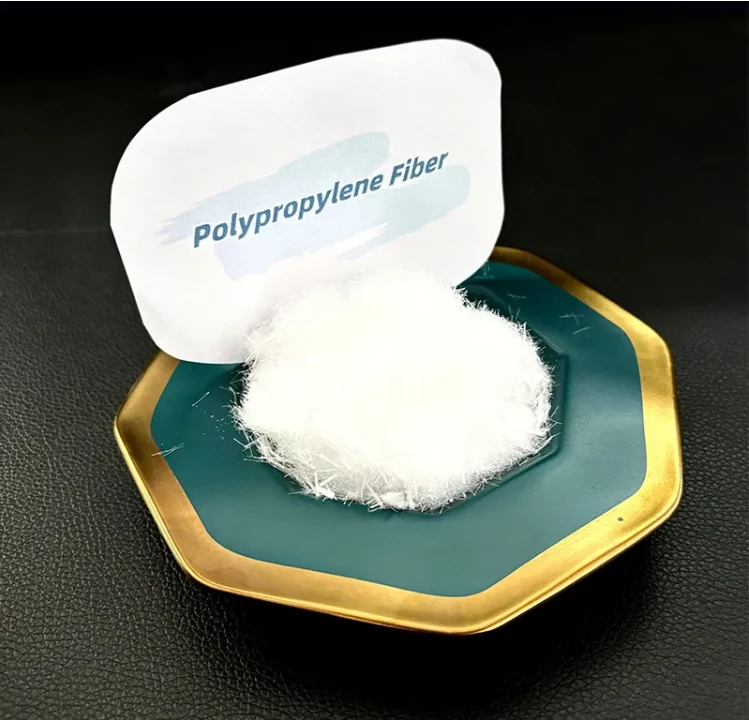
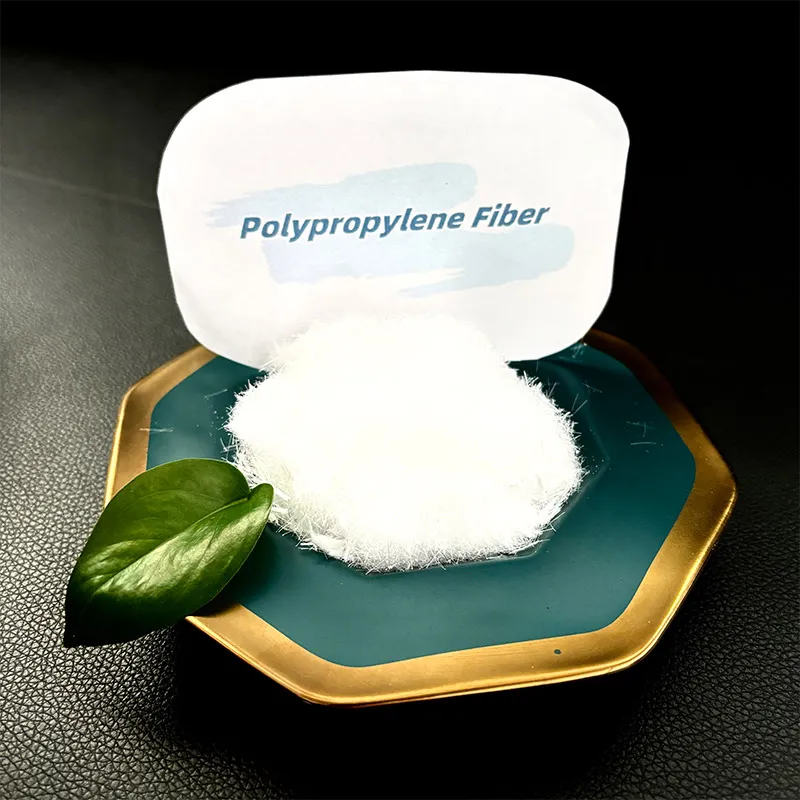
The Role of Manufacturers in the Production of PP Fiber Polypropylene (PP) fiber has gained significant popularity in the textile and industrial sectors due to its unique properties, including lightweight, durability, and resistance to moisture and chemicals. This versatile material is commonly used in various applications, from clothing to carpets and industrial packaging. The manufacturers of PP fiber play a crucial role in ensuring the quality, efficiency, and innovation of this essential material. This article delves into the key aspects of PP fiber manufacturing, its significance, and the future of this industry. Understanding PP Fiber PP fiber is derived from polypropylene, a thermoplastic polymer. The manufacturing process involves polymerization, where propylene monomers are chemically reacted to form long chains of polypropylene. These chains are then spun into fibers through a process known as melt spinning. As a result, manufacturers can produce fibers of different thicknesses and characteristics, catering to diverse applications. Key Manufacturers Several key players dominate the PP fiber manufacturing landscape. Companies such as Reliance Industries, Indorama Ventures, and LyondellBasell are among the largest producers globally. These manufacturers utilize cutting-edge technology and innovative practices to produce high-quality fibers that meet international standards. Their commitment to research and development has led to advancements in fiber properties, including enhanced strength, UV resistance, and dyeability. Quality Control and Innovation Quality control is paramount in the production of PP fiber. Manufacturers conduct rigorous testing and inspections at various stages of production to ensure that the final product meets specified standards. This includes assessing the fiber's tensile strength, elongation, and resistance to chemicals. By investing in advanced testing equipment and technologies, manufacturers can maintain high quality and consistency, ultimately leading to increased customer satisfaction. mga tagagawa ng pp fiber Innovation is another critical aspect of PP fiber production. As the demand for sustainable and eco-friendly materials rises, manufacturers are exploring new ways to produce PP fibers with a reduced environmental impact. This includes using recycled materials and developing biodegradable PP fibers. By focusing on sustainability, manufacturers are not only meeting market demands but also contributing to global efforts in reducing plastic waste. Applications of PP Fiber PP fiber's versatility allows it to be used in various applications across different industries. In the textile industry, it is widely utilized in making clothing, upholstery, and home furnishings due to its lightweight and breathable nature. In the industrial sector, PP fiber is used for manufacturing geotextiles, ropes, carpets, and automotive interior components. Additionally, its chemical resistance makes it suitable for applications in the medical field, such as disposable surgical gowns and coverings. Challenges in the Industry Despite the many advantages of PP fiber, manufacturers face several challenges. One significant issue is the fluctuating prices of raw materials, particularly propylene. This volatility can affect production costs and ultimately impact pricing for consumers. Additionally, the environmental concerns associated with plastic production require manufacturers to adapt and find sustainable solutions. Striking a balance between profitability and environmental responsibility is a challenge that continues to shape the industry. The Future of PP Fiber Manufacturing Looking ahead, the future of PP fiber manufacturing appears promising. As technology continues to advance, manufacturers will likely develop even stronger and more versatile fibers. Innovations in production processes may lead to greater efficiency, reduced costs, and enhanced sustainability. Furthermore, as global consumer preferences shift towards more sustainable products, manufacturers will need to adapt quickly to remain competitive. In conclusion, manufacturers of PP fiber play a vital role in the textile and industrial markets. Their commitment to quality, innovation, and sustainability shapes the future of this material. As they navigate the challenges of raw material volatility and environmental concerns, these manufacturers will undoubtedly pioneer new solutions and practices that benefit both their businesses and the global community. As PP fiber continues to evolve, it will remain an essential material in our everyday lives, highlighting the integral role of its manufacturers.
- 40000tons

Production
- 20+years

Experience
- 5000+㎡

Acreage

-
Hydroxypropyl Methylcellulose (HPMC) is an essential polymer used across various industries due to its adaptable nature and functional versatility. The complexity of its applications often warrants a closer examination of the different grades available in the market to effectively leverage their unique properties. Hydroxypropyl Methylcellulose comes in several grades, each tailored for specific functionalities. These grades differ mainly in viscosity, particle size, and substitution levels, which greatly influence their performance in diverse applications. The pharmaceutical industry extensively utilizes pharmaceutical grade HPMC as an excipient. This grade is essential in formulating controlled release drugs, offering superior stability and consistency. Real-world experiences affirm that pharmaceutical grade HPMC not only enhances the viscosity of the solution but also acts as a robust film-former, resisting degradation over time. Certified by rigorous standards, this grade showcases the crucial balance between safety and performance. In the construction industry, HPMC plays an indispensable role, particularly in tile adhesives, grout, and cement. The construction grade HPMC is distinguished by its enhanced water retention properties and workability. Construction professionals value this grade for its ability to improve open time and ensure smoother application. My long-standing interaction with industry experts revealed that the superior adhesion and cohesion provided by specialized construction grades significantly reduce sagging upon application, leading to longer-lasting structures. Food grade HPMC is another noteworthy category, primarily engaged in the food industry. This grade serves as an emulsifier, thickener, and stabilizer in various culinary applications, including plant-based alternatives. The trustworthiness of food grade HPMC is paramount as it is involved in ingestion; thus, it complies with the strictest regulatory standards. Leading food technologists often cite its non-toxic and hypoallergenic properties as pivotal when creating consumer-friendly vegan and vegetarian recipes, adding that consistent texture and mouthfeel are achieved with unmatched ease through this grade. different grades of hpmc In environmental applications, surface coating and protection measures increasingly rely on HPMC. In these contexts, specialty grades of HPMC are reputed for their biopolymer properties, offering eco-friendly yet effective solutions. These specialty grades excel in bioadhesive applications, where their performance aligns with sustainable practices. Professionals engaged in green chemistry initiatives often convey that the bio-based grades of HPMC provide not only environmental compatibility but also maintain the mechanical integrity necessary for broad-spectrum applications. Another vital domain is the personal care industry, where cosmetic grade HPMC is prevalent. It is used in lotions, creams, and shampoos as a thickening agent. Researchers emphasize the role of cosmetic grade HPMC in enhancing the viscosity of formulations, which directly relates to the product's efficacy and consumer perception. Elaborate testing and testimonies from dermatological experts underpin its safety and compatibility with skin, embodying trust and reliability in personal care products. Advanced research and development continue to forge newer grades of HPMC , tailored for high-tech applications. Engineers in the field of 3D printing, for example, are beginning to explore unique grades of HPMC with specialized rheological properties to optimize the print quality and speed, marking a testament to HPMC’s adaptability. Conclusively, the diverse grades of HPMC highlight the polymer’s intrinsic versatility across various industries. Each grade is a testament to its optimized formulation for specific applications, ensuring efficacy, reliability, and safety. These attributes not only render HPMC indispensable in existing domains but also hold the promise for pioneering applications. Considering the dynamic market demands, staying informed about the latest advancements and applications in HPMC grades is paramount for professionals keen on leveraging this polymer’s full potential for innovative solutions.
-
As someone who has experienced the discomfort of dry eyes, the search for a reliable ophthalmic solution can be daunting. The introduction of HPMC Ophthalmic Solution USP Lacrigel into the market has been a game-changer for many . This product, hailed for its effectiveness, adheres to stringent quality standards in ophthalmic care and offers substantial relief to individuals suffering from various ocular surface disorders. HPMC, or Hydroxypropyl Methylcellulose, is a key ingredient known for its viscosity-enhancing properties. This characteristic is crucial in ophthalmic solutions as it provides the necessary lubrication to the ocular surface, mimicking natural tears. But not all HPMC-based solutions are created equal; the formulation within Lacrigel stands out due to its optimal viscosity, which ensures prolonged contact time with the eye surface. This is particularly advantageous for individuals experiencing severe dry eye symptoms, as longer retention can offer extended relief and protection against environmental irritants. From a professional perspective, the expertise embedded in the creation of Lacrigel is evident. Developed by top-tier specialists in ophthalmology, the solution is rigorously tested to meet the highest standards of safety and efficacy. This endorsement from healthcare professionals is a testament to its reliability in treating conditions like dry eye syndrome, especially in cases where other treatments have failed to deliver satisfactory results. Authoritativeness is another pillar that supports HPMC Ophthalmic Solution USP Lacrigel's esteem in the market. It is not only recommended by eye care practitioners globally but also preferred by patients who have experienced transformative results firsthand. The formulation’s ability to restore moisture, alleviate irritation, and improve comfort cannot be overstated. With frequent use, individuals report noticeable improvements in visual clarity and a significant reduction in the scratchy sensation often associated with dry eyes. hpmc ophthalmic solution usp lacrigel Trustworthiness remains at the forefront of Lacrigel’s brand philosophy. Transparency in its formulation and thorough clinical evaluations assure users of its commitment to ocular health. In addition, its non-preservation formula is a critical factor for those who wear contact lenses or have particularly sensitive eyes. This makes Lacrigel an inclusive solution for a wider demographic, further cementing its position as a trusted product in the sphere of ophthalmic care. Experience shared by users highlight its ease of application and swift action. The gel consistency is particularly favored as it offers a balance between liquid drops and ointments, avoiding the blurriness often caused by the latter. For professionals with demanding schedules, such as pilots or office workers under constant exposure to digital screens, Lacrigel’s efficacy offers a reprieve, allowing them to maintain productivity without the distraction of dry, irritated eyes. Furthermore, it’s essential to recognize the importance of following a consistent eye care routine alongside using Lacrigel. Regular ophthalmologist visits, proper eye hygiene, and adequate hydration complement the benefits of this solution, enhancing overall eye health. Such a comprehensive approach ensures that while Lacrigel addresses immediate symptoms, underlying factors contributing to dry eyes are also managed effectively. In summary, HPMC Ophthalmic Solution USP Lacrigel is not just another product on the shelves; it is a refined, highly effective ophthalmic solution that aligns with the highest standards of eye care. Its formulation, backed by expert research and clinical validation, along with positive testimonials, underscore its position as a leading choice for managing dry eye symptoms. As individuals seek reliable solutions to enhance their quality of life, Lacrigel stands as a beacon of trustworthiness and efficacy in the dynamic landscape of ophthalmic healthcare.
advantages
-

200000 Viscosities
Excellent product
We can produce pure products up to 200,000 viscosities
-

40000 tons
High yield
We don’t stop production all year round, and the annual output can reach 40,000 tons
-

24 hours
Quality service
We provide 24-hours online reception service, welcome to consult at any time
———— Inquiry Form
Schedule A services

-
 metal_fiber_concrete
Oct . 25, 2025
Understanding Cellulose in Wood Cellulose is a vital organic polymer that plays a crucial role in th -
 concrete_reinforcement
Oct . 25, 2025
Navigating the intricacies of starch ether pricing can be a challenging task, especially for busines -
 hpmc_e3
Oct . 25, 2025
HPMC Monograph Your Comprehensive Guide to Understanding Hydroxypropyl Methylcellulose in Product Fo


